
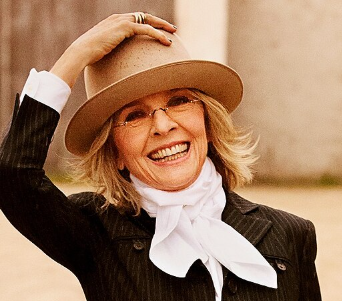
Diane Keaton’s passing at 79 has left a void in the film world, but her legacy of solidarity for those struggling with illness endures. In her 2011 memoir, “Then Again,” she powerfully declared herself “a sister to all the rest of the women” with eating disorders, a statement that encapsulates her approach to her own health battles with bulimia and skin cancer.
This sense of kinship was a driving force behind her decision to go public. After years of private struggle with bulimia, an addiction she said was sparked by career pressures, she chose to share her story not for personal gain, but to build a community. She knew the power of seeing oneself in the story of another.
Her descriptions of the illness were graphic and unflinching—consuming 20,000 calories, feeling like an “addict”—because she wanted to convey the true, unvarnished reality of the struggle. It was an act of profound empathy, aimed at validating the experiences of others who felt isolated in their pain.
She extended this sense of shared experience to her battle with skin cancer. By discussing her family’s history with the disease and her own regret over neglecting sun care, she framed it as a common, relatable struggle, urging others to be more careful than she had been.
Diane Keaton’s message was clear: illness does not have to be an isolating experience. By sharing our vulnerabilities, we forge connections and build a collective strength. Her legacy is a powerful reminder that in our shared struggles, we can find our shared humanity.