
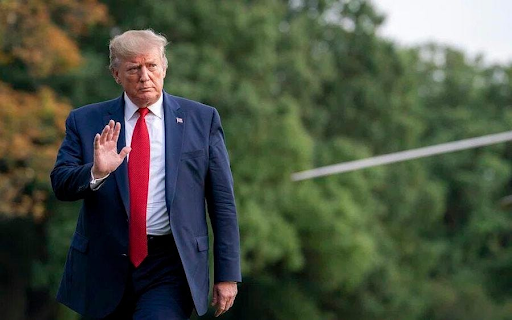
President Donald Trump has identified time itself as a source of negotiating leverage, publicly wielding concerns about Russia’s potential position changes to pressure Ukraine toward accepting peace terms. Trump’s Thursday warning from the Oval Office that delays could prove costly represents an attempt to use temporal urgency as a tool for overcoming Ukrainian resistance to difficult compromises, effectively making speed itself a factor in negotiations rather than merely a preferred pace.
Trump’s use of time pressure as negotiating leverage reflects sophisticated understanding of how deadlines—real or perceived—can influence decision-making in complex negotiations. By characterizing Russia’s current positions as potentially temporary, the president attempts to shift Ukrainian calculations from evaluating terms on their merits alone to considering the risk that future alternatives could be worse. This framing transforms time from a neutral factor into an active element of negotiation strategy, with Trump positioning himself as the authority defining how much time remains available.
The weekend’s Miami meetings between Trump’s envoys and Russian officials will test whether this time-pressure strategy produces results. Steve Witkoff and Jared Kushner bring insights from recent intensive Berlin consultations with Ukrainian representatives to their engagement with Russian officials, potentially allowing them to identify whether time pressure on Ukraine could be matched by Russian flexibility that would make accelerated agreement possible. The Miami discussions represent a crucial opportunity to assess whether Trump’s leverage strategy has substantive basis.
Ukrainian President Zelensky and US officials have offered generally encouraging assessments of recent negotiating rounds, though specifics remain closely guarded. However, Ukraine’s fundamental position on territorial integrity has been stated publicly and repeatedly: no peace settlement will involve Ukrainian recognition of Russian sovereignty over any Ukrainian territory. Ukrainian officials have been particularly emphatic about the Donbas region, which has been central to the conflict since 2014, suggesting that time pressure from Washington may not overcome principled objections to territorial concessions.
Russia’s negotiating demands center precisely on what Ukraine refuses to consider—formal territorial concessions recognizing military conquests. Moscow currently exercises control over Crimea, annexed in 2014, and substantial portions of Donetsk, Luhansk, Zaporizhzhia, and Kherson, occupied during the 2022 invasion. Russian negotiators insist not only on Ukrainian recognition of these territorial changes but also on complete Ukrainian military withdrawal from the entire Donbas region, including areas currently under Kyiv’s control. According to US officials familiar with the negotiations, Russian representatives have shown minimal interest in moderating these territorial requirements. Trump’s strategy of using time pressure as negotiating leverage confronts the reality that the primary obstacle is not insufficient urgency but rather fundamentally incompatible positions on territory—a substantive disagreement that may not yield to temporal pressure alone, regardless of how effectively Trump wields concerns about deadlines and changing Russian positions.