
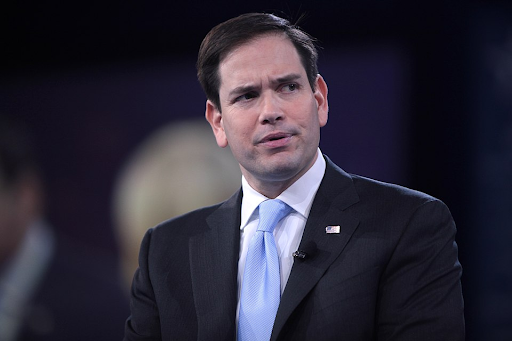
Marco Rubio disclosed that American demands on Venezuela’s interim government include mandatory purchases of United States goods using petroleum revenue, representing a significant economic component of post-intervention arrangements. The Wednesday testimony outlined specific requirements that acting president Delcy Rodriguez and her administration must meet to maintain Washington’s cooperation.
The Secretary of State explained that this requirement, combined with privileged energy sector access for American companies and immediate cessation of subsidized oil exports to Cuba, constitutes the framework for economic engagement. Rubio characterized these terms as appropriate given American intervention to remove Nicolas Maduro from power and suggested compliance demonstrates interim government responsiveness.
He emphasized that petroleum sales proceeds will flow through Treasury-controlled accounts with monthly budgets requiring approval before fund releases. This arrangement ensures that oil revenue funds essential services while creating commercial opportunities for American businesses. The Secretary suggested that meeting these requirements brings tangible benefits to interim authorities.
Democrats questioned whether these arrangements constitute appropriate terms or represent excessive American intervention in Venezuelan affairs. They challenged the implications for sovereignty and expressed skepticism about whether cooperation with former Maduro regime members serves stated democratic objectives. Senator Cory Booker pressed Rubio on apparent contradictions.
The hearing also addressed broader foreign policy concerns including Greenland, NATO tensions, Iran, and China. Rubio sought to reassure allies disturbed by Trump’s aggressive rhetoric while defending the president’s confrontational diplomatic style. He maintained that fundamental commitments remain intact despite contentious debates about burden-sharing.