
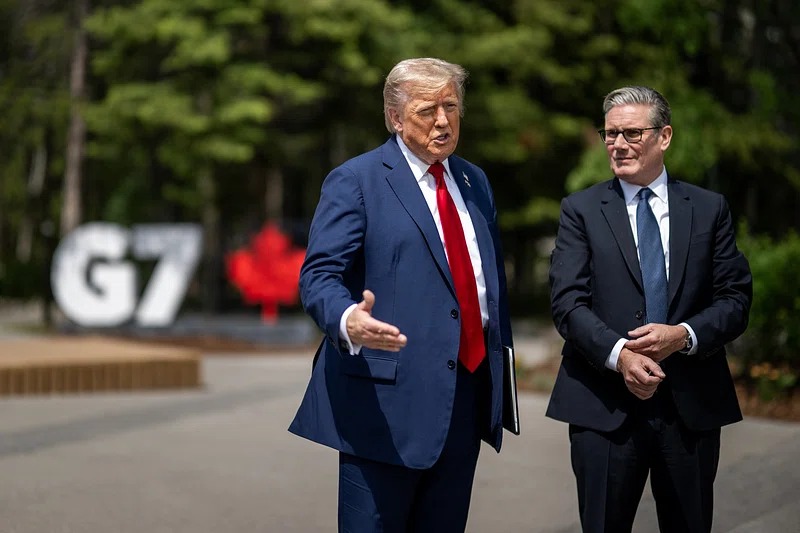
British prime ministers face a range of foreign policy tests during their time in office, but few have been as public and as uncomfortable as the episode that unfolded during the Iran conflict. The combination of allied pressure, domestic opposition, and presidential criticism made for a test of political resilience as much as strategic judgment.
The trouble began with a decision that might, in other circumstances, have been managed quietly. Britain’s refusal to allow American forces to use its military bases for operations against Iran was a significant choice — but one that, in earlier eras, might have been discussed and resolved through private diplomatic channels rather than public social media posts.
The current American administration’s preference for public engagement with its allies — and its critics — meant that the disagreement was quickly visible to the world. The president’s post naming the prime minister and criticising his delayed support generated global attention and put the British government on the defensive.
The eventual compromise — limited access for defensive purposes — satisfied neither side fully. American officials remained critical of the delay; Labour sceptics remained uncomfortable with the cooperation that had been granted. The prime minister found himself in the political equivalent of no man’s land.
Whether he would emerge from the episode with his authority intact — and with the special relationship sufficiently repaired — depended on decisions and events that had not yet fully played out. The test, it was clear, was not yet over.