
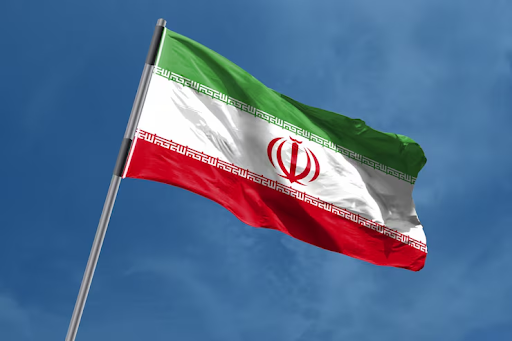
US Navy Admiral Brad Cooper delivered a sweeping assessment of the military campaign against Iran on Wednesday, describing a conflict in which American and allied forces had struck more than 10,000 targets inside the country, destroyed 92% of the Iranian navy’s largest combat vessels, and severely damaged or eliminated over two-thirds of Iran’s missile, drone, and naval production facilities. The briefing painted a picture of devastating military success — yet Iran continued to launch retaliatory strikes daily and showed no sign of seeking terms favourable to Washington. The disconnect between military achievement and strategic outcome lay at the heart of the conflict’s apparent stalemate.
Iran had rejected a 15-point US ceasefire proposal delivered through Pakistan and submitted a five-point counter-plan of its own, with state television broadcasting an official’s declaration that the country would continue fighting until its own conditions were met. The American framework had asked for nuclear disarmament, missile restrictions, the reopening of the Strait of Hormuz, and sanctions relief. Iran’s counter-conditions included a full halt to strikes on Iranian soil and officials, security guarantees, war reparations, and retained Iranian sovereignty over the strait.
Fighting continued on multiple fronts. Israeli forces struck infrastructure targets across Iran, including a submarine development site in Isfahan, completing several waves of attacks during the day. Iran retaliated with ballistic missiles against Israel and drone attacks on Gulf nations. Kuwait’s international airport sustained a serious fire from one such strike, and authorities there arrested six people linked to a Hezbollah assassination plot against Kuwaiti leadership. Saudi Arabia intercepted eight Iranian drones over its eastern oil-producing region, and Israel pushed ground forces northward against Hezbollah in southern Lebanon.
The US military build-up in the region continued. Thousands of additional troops including elements of the 82nd Airborne Division were being dispatched, with planning reportedly underway for a potential operation against Kharg Island — which accounts for 90% of Iran’s crude oil exports. Iran’s response to this possibility was stark: carpet-bombing of its own territory to repel invaders, attacks on Red Sea shipping, and the opening of surprise new fronts in the Persian Gulf. The parliament speaker threatened continuous strikes on any regional country that assisted in such an operation.
Despite the military’s formidable progress report, the political situation in the United States was troubled. Trump’s approval rating stood at 36% — a record low — with 59% of Americans saying the war had exceeded its justified limits. The Hormuz blockade was driving fuel prices higher and spreading economic pain globally. Diplomatic efforts through Egypt, Pakistan, China, and Turkey continued, with the possibility of direct talks by Friday keeping hope alive. Whether military pressure alone could bring Iran to the table on terms Washington could accept was the central strategic question the administration had yet to answer convincingly.