
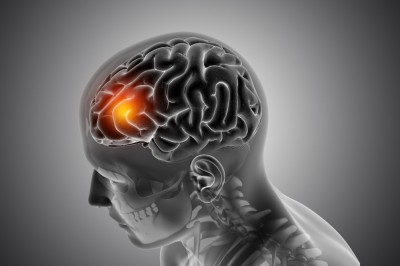
Changes in personality can often be traced back to stress, anxiety, or emotional challenges, but medical professionals warn that sometimes these shifts might indicate more serious neurological issues, such as the presence of a brain tumour. Neurologists often rely on observations from family members, who are usually the first to notice when a person’s behavior deviates from their norm. For instance, someone who is typically calm and composed might become irritable, a usually cheerful individual might grow withdrawn, or a person known for their organization might start to forget crucial details.
The suddenness of these behavioral changes is a red flag, especially when there’s no apparent cause like work stress or personal issues, according to medical experts. Psychological factors tend to lead to gradual changes, while those caused by neurological issues may persist or worsen over time. The brain, which governs personality, emotions, judgment, and decision-making, can exhibit early signs of a tumour through changes in thought processes, mood, and social behavior, rather than through obvious physical symptoms.
Initially, these personality changes may be subtle, manifesting as increased aggression, emotional detachment, impulsive actions, concentration difficulties, memory lapses, or behaviors that seem entirely uncharacteristic. While these shifts can be alarming, they generally do not occur in isolation. Other symptoms often accompany them, including persistent headaches, unexplained nausea, vision issues, seizures, balance difficulties, and weakness in limbs.
Doctors urge caution, emphasizing that sudden personality changes do not necessarily point to a brain tumour, as many other medical and psychological conditions can result in similar symptoms. However, if these unusual behaviors appear alongside neurological or physical symptoms, seeking medical attention and undergoing appropriate diagnostic tests become crucial.
Early diagnosis is vital in identifying the root cause of these changes and facilitating timely treatment if required. While not all personality shifts are indicative of a serious condition, awareness and prompt medical consultation can make a significant difference in outcomes.