The UK government’s enthusiastic push for AI, including discussions about a £2 billion national ChatGPT deal, is clashing with persistent concerns about the technology’s reliability. Generative AI tools have been criticized for giving false information and bad advice, raising questions about the wisdom of a mass government-backed rollout.
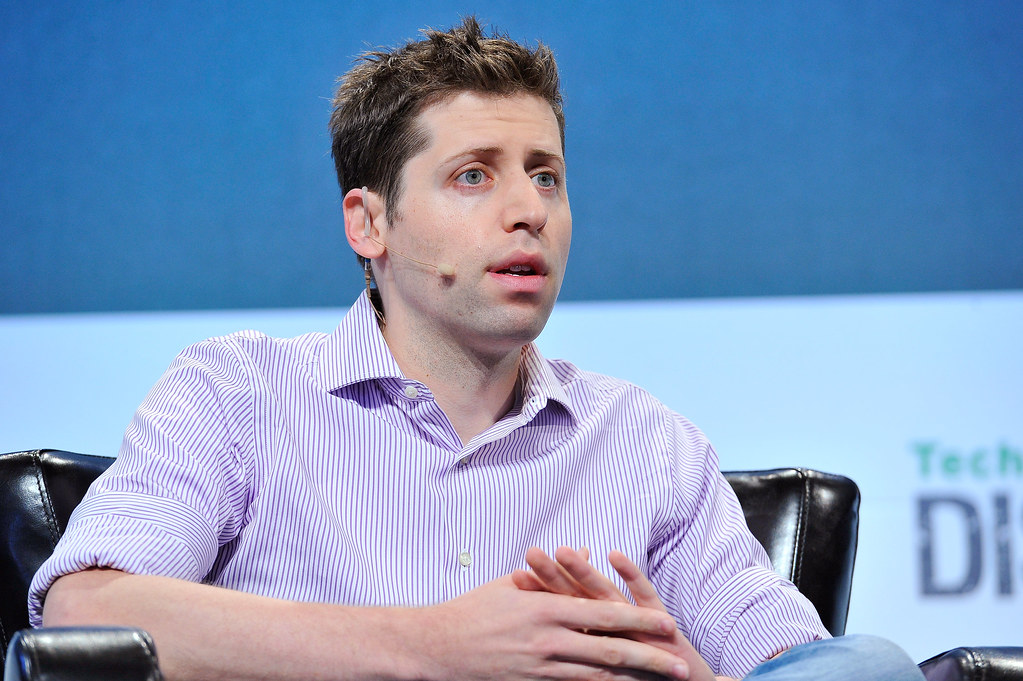
The talks between Technology Secretary Peter Kyle and OpenAI’s Sam Altman show a strong top-level belief in AI’s potential. Minister Kyle has championed ChatGPT as a tutor. However, this optimism is not universally shared, with experts and users pointing to instances of AI “hallucinations” where chatbots confidently state incorrect facts.
A nationwide subscription to ChatGPT Plus would have effectively been a government endorsement of the technology. This could create a situation where citizens are encouraged to use a tool for important tasks that is known to sometimes produce inaccurate or misleading content, posing potential risks.
While the deal was not pursued, the government’s ongoing plan to integrate AI into public services like justice and security makes these reliability concerns even more acute. The challenge for policymakers is to harness the power of AI while implementing rigorous safeguards to protect the public from the technology’s known flaws.