
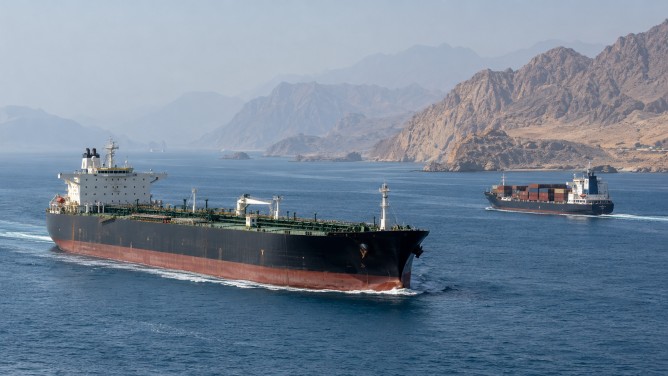
The potential reopening of the Strait of Hormuz, a critical maritime channel for global oil and gas shipments, hinges on the acceptance of conditions set by Iran, according to Iranian Foreign Minister Abbas Araghchi. The waterway, which previously facilitated about 20% of the world’s oil and liquefied natural gas trade, has seen disruptions due to ongoing conflicts. Araghchi indicated that the strait could reopen within six days if the United States agrees to Tehran’s terms, which include lifting the blockade on Iranian ports, removing sanctions on Iranian oil exports, and ceasing hostilities in the region.
Iran is currently evaluating the United States’ response to its proposal, with the possibility of resuming negotiations on the seventh day. However, significant hurdles remain, particularly concerning Iran’s nuclear program. The United States seeks to address nuclear issues, such as uranium enrichment, at the onset of discussions. Conversely, Iran argues that initial talks should concentrate on reopening the Strait of Hormuz and ensuring the security of this strategic maritime route.
In a related development, Iran’s Defence Minister Mehrdad Akhlaghi cautioned against renewed US military actions, warning they could inflict “enormous damage” on Washington and its regional allies. Akhlaghi expressed assurance in Iran’s capacity to retaliate against any further military aggression.
The ongoing discord over terms to end hostilities and the nuclear dispute complicates the future of negotiations. As both sides remain at an impasse, the reopening of the Strait of Hormuz and the restoration of its vital role in international energy trade remain uncertain.