
British manufacturers are realizing they must develop comprehensive record-keeping infrastructure to maintain the detailed paper trails required by the European Union’s carbon border adjustment mechanism. The government’s failure to secure a pre-Christmas exemption means businesses must implement systems for tracking carbon emissions throughout manufacturing processes starting in January, potentially requiring significant operational changes.
Brussels has confirmed that the anticipated carve-out will not be implemented by year-end, with industry sources predicting no relief before Easter 2025. The mechanism demands detailed paper trails of carbon emissions generated during manufacturing—potentially requiring businesses to track energy consumption, material inputs, production processes, and emissions at multiple stages. This level of documentation may necessitate new monitoring equipment, data collection systems, and record-keeping procedures.
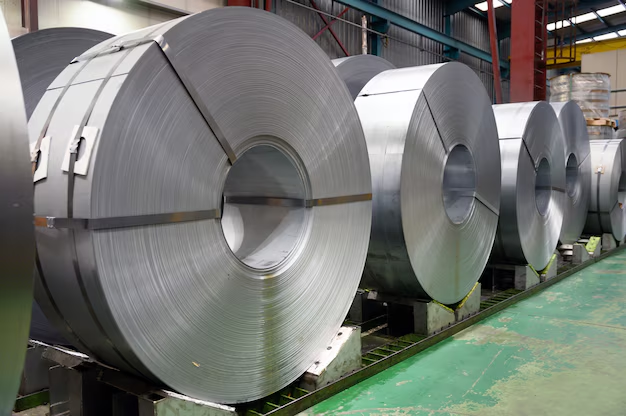
The requirements affect approximately £7 billion in UK exports including numerous steel and aluminium products, household appliances, automotive components, fertilizer, cement, and energy. Manufacturing organizations emphasize that implementing the necessary infrastructure represents a substantial challenge, particularly for small and medium-sized enterprises. Make UK describes the forthcoming requirements as “extensive,” suggesting significant operational adjustments may be necessary.
UK Steel’s Frank Aaskov characterizes the documentation burden as “quite significant” especially for smaller operations that may lack existing carbon monitoring infrastructure. While larger manufacturers may already have systems for tracking emissions as part of sustainability initiatives, smaller businesses may need to develop new capabilities specifically to meet the EU requirements. The record-keeping infrastructure must be sufficiently detailed and reliable to satisfy EU verification processes.
Government representatives are advising businesses to prepare for implementation from January, with support available through the Department for Business and Trade. The unsuccessful attempt to secure a pre-Christmas exemption reflects political realities within the European Union. Negotiations will proceed through two stages: establishing terms of reference, then addressing emissions trading system compatibility. Although actual tax payments won’t be required until 2027 and could potentially be cancelled through successful negotiations, businesses must begin maintaining detailed records immediately in January. EU Climate Commissioner Wopke Hoekstra has suggested immediate costs will be minimal given Britain’s decarbonization progress, potentially indicating many businesses already have relevant monitoring capabilities. The UK government continues prioritizing a carbon linking agreement to eliminate these infrastructure requirements for the substantial export market.