
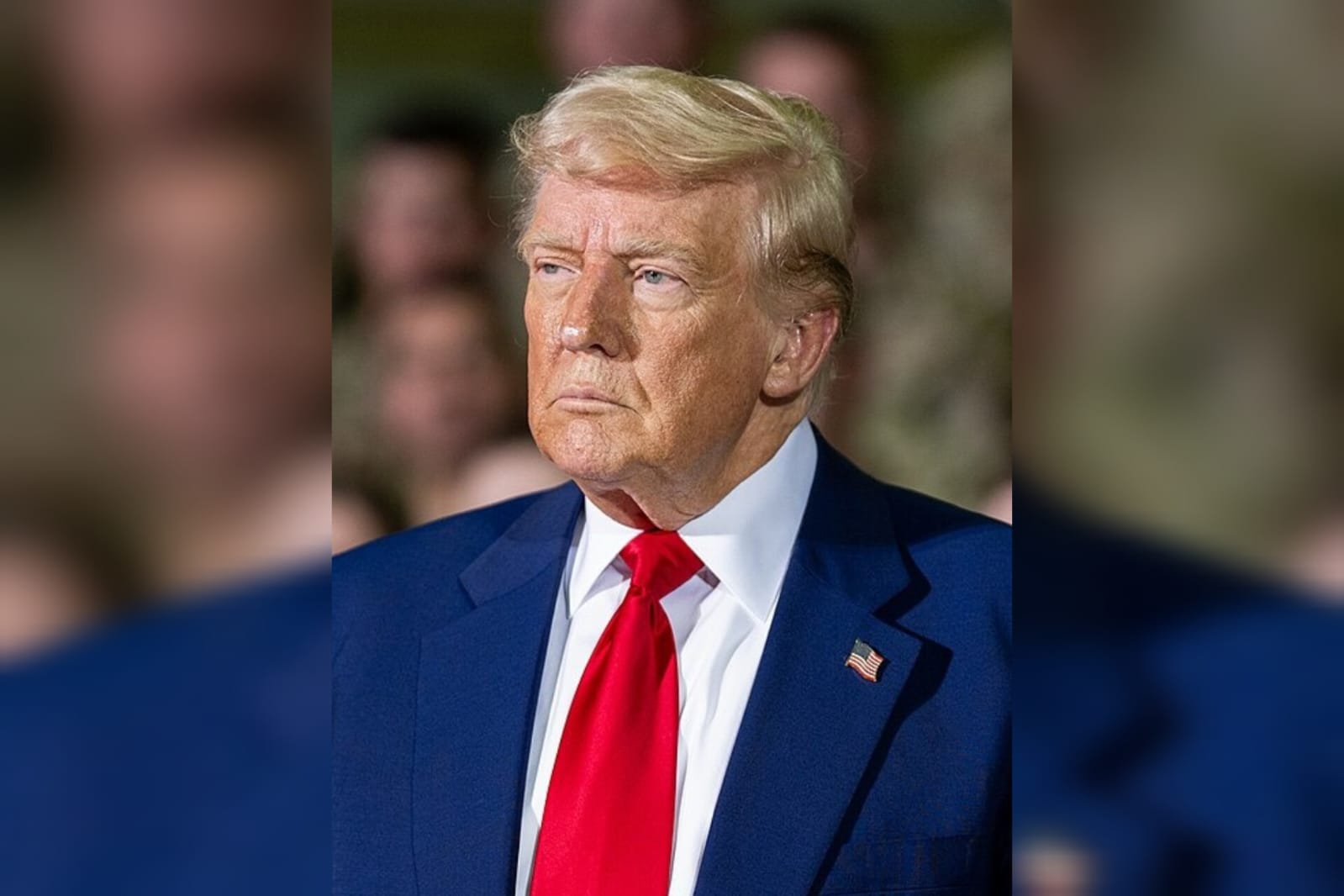
Following the signing of a new U.S.–Iran agreement, President Donald Trump has emphasized the deal’s significance in reducing security threats to Israel. Trump assured Israeli Prime Minister Benjamin Netanyahu that the agreement effectively eliminates the danger of a nuclear attack from Iran. Addressing the media, Trump highlighted that Israel’s foremost concern—an Iranian nuclear strike—has been specifically mitigated through this pact. He hailed the deal as a crucial security assurance for Israel, claiming it prevents any nuclear threat and labeling it the “most important” outcome for the nation.
Before finalizing the 14-point memorandum, Trump had direct discussions with Netanyahu, underscoring the agreement’s role as a shield for Israel’s long-term safety. The U.S. president expressed confidence that Israel would perceive the agreement positively, despite persisting regional tensions. The arrangement between the U.S. and Iran initiates a 60-day negotiation phase aimed at Iran’s nuclear activities, alongside plans to reopen vital trade pathways and alleviate certain sanctions. While the agreement includes elements aimed at fostering regional stability, it leaves unresolved issues like Israel’s military actions in Lebanon, which remain delicate and politically charged.
The U.S. administration is portraying this deal as a triumph for security, yet Israeli reactions are deeply polarized. Some critics contend that easing restrictions on Iran could bolster its influence across the region, potentially posing new challenges. Meanwhile, advocates for diplomatic engagement argue that the deal may lower the potential for wider conflict, bringing a measure of peace to an otherwise volatile region.
In Israel, the leadership is facing scrutiny over its approach to regional strategy, with political rivals suggesting that recent policies may reflect strategic missteps. The domestic debate highlights the tensions within Israeli politics regarding how best to manage security concerns and diplomatic relations. As negotiations continue, the full implementation and eventual effects of the U.S.–Iran agreement remain to be seen, leaving many questions about its impact on regional dynamics and long-term security.