
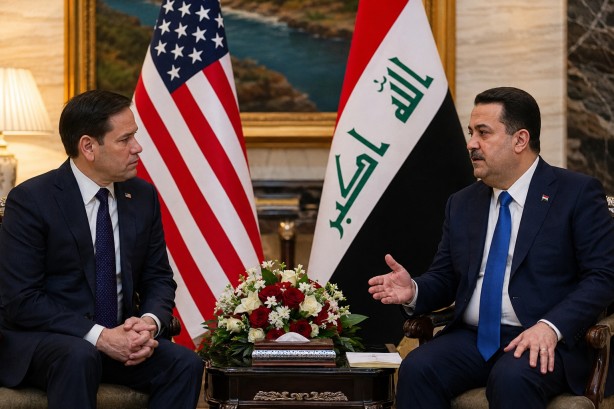
Iraqi Prime Minister Ali Al Zaidi recently wrapped up a significant visit to Washington, where he successfully secured economic agreements and worked on fortifying ties with the United States. This visit underscored Iraq’s ongoing efforts to attract foreign investment and enhance security cooperation, while also spotlighting Al Zaidi’s image as a leader committed to reform.
Despite the warm reception from American officials, experts warn that Iraq may face significant hurdles in implementing key commitments such as security reforms and economic modernization. These challenges primarily stem from the country’s complex internal political landscape and the substantial influence wielded by Iran-backed factions. Analysts emphasize the difficulty Baghdad faces in balancing its relationships with both Washington and Tehran, especially amid ongoing regional tensions.
The discussions in Washington have opened new avenues for partnership between the two nations. However, the ultimate success of these initiatives hinges on Iraq’s capacity to enact meaningful reforms and maintain stable, diplomatic relations with both the United States and Iran, its two major allies.
Analysts note that while the visit has created opportunities for future collaboration, the path forward will be fraught with challenges. The influence of Iran-backed groups within Iraq and the need to navigate the country’s intricate political dynamics will test Al Zaidi’s ability to deliver on promises made during his visit to the United States.
As Prime Minister Al Zaidi returns to Baghdad, the focus will be on whether his administration can capitalize on the momentum generated by this visit to effectuate real change. The balancing act between nurturing ties with Washington and maintaining a workable relationship with Tehran remains crucial for Iraq’s diplomatic and economic strategies moving forward.