
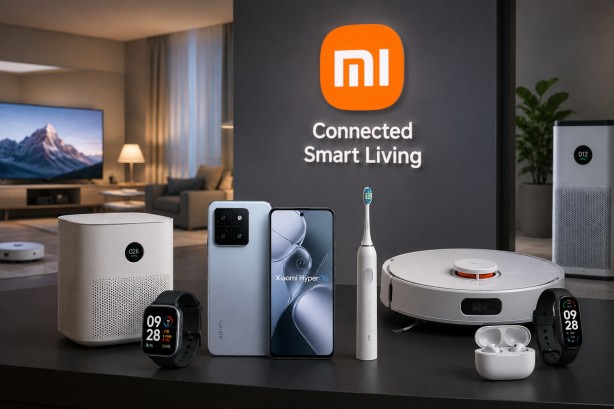
In a bold expansion beyond its origins as a smartphone manufacturer, Xiaomi is evolving into a comprehensive technology powerhouse. The company’s “Human x Car x Home” approach underpins its ambition to create a tightly knit ecosystem that permeates various facets of everyday life, including homes, transportation, and digital realms.
Recently, Xiaomi made its debut in the network-attached storage (NAS) sector by introducing the Xiaomi Smart Storage device, offered in 4TB, 8TB, and 16TB options. This product quickly garnered attention, securing over 30,000 orders in just the first hour of its crowdfunding campaign. The device is designed not just for storage but also supports multi-device backups, remote file access, 4K media streaming, and AI-driven photo management.
Beyond smartphones and televisions, Xiaomi’s diverse product lineup now encompasses tablets, smartwatches, wireless earbuds, air purifiers, routers, home appliances, smart lighting solutions, gaming monitors, electric scooters, coffee machines, portable printers, and electric vehicles. At the heart of this interconnected ecosystem is HyperOS, Xiaomi’s proprietary software platform that ensures seamless integration across home and vehicle devices, all while maintaining affordability and accessibility.
The implementation of this strategy has translated into impressive financial outcomes for Xiaomi. In the first quarter of 2026, the company reported a revenue of 99.1 billion yuan and a net income of 4.72 billion yuan. For the entirety of the 2025 fiscal year, Xiaomi celebrated a record adjusted net profit of 39.2 billion yuan.
Furthermore, Xiaomi has carved a significant presence in the electric vehicle sector, with 600,000 vehicles delivered since its entry. The company anticipates reaching a total of 550,000 units by the close of 2026. By merging consumer electronics, smart-home technology, digital infrastructure, and electric vehicles, Xiaomi is establishing itself as a leading contender in the global technology arena.