
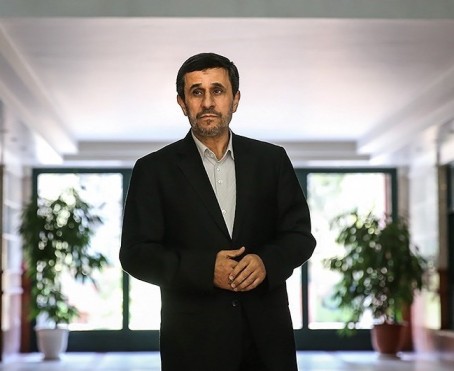
Recent claims have sparked renewed scrutiny over the US and Israeli strategies to unseat Iran’s regime, particularly following reports suggesting Israel’s interest in installing Mahmoud Ahmadinejad as a leader in Tehran. Ahmadinejad, who served as Iran’s president from 2005 to 2013, was known for his aggressive rhetoric against Israel. However, after a fallout with Iran’s supreme leader, Ali Khamenei, he repositioned himself as a regime critic and advocate for the impoverished. Allegations have surfaced that Israel bombed a security facility near Ahmadinejad’s residence in Tehran to facilitate his escape from house arrest, although he reportedly became apprehensive about the plan.
The credibility of these reports has been questioned, with many viewing them as either implausible or potential disinformation from Ahmadinejad’s supporters or Israeli intelligence. Nonetheless, the episode underscores a miscalculation by the US and Israel regarding the level of opposition to Iran’s regime and their ability to destabilize it through military force. As domestic discontent over rising gas prices mounts, former President Donald Trump was keen to distance the US from the conflict, yet he considered additional airstrikes to pressure Tehran into compliance.
Trump postponed an attack following counsel from Gulf leaders but engaged in extensive discussions with Israel’s Prime Minister Benjamin Netanyahu about possibly resuming hostilities. When queried about whether Israel could be restrained from initiating military action against Iran, Trump remarked that Netanyahu would align with his directives, describing the Israeli leader as a “great guy.” He expressed a preference for limited casualties, denying urgency linked to domestic electoral pressures, while emphasizing the strategic importance of reopening the Strait of Hormuz.
Iran steadfastly refuses to yield to US demands concerning its uranium enrichment program, opting instead to prioritize negotiations for lifting sanctions in exchange for ending its blockade of the Strait of Hormuz. In response, the US has implemented a counter-blockade targeting Iran’s oil exports, primarily destined for China, its chief export market. The Islamic Revolutionary Guard Corps has warned of escalating the conflict beyond regional boundaries if Trump resumes military assaults.
Amidst these developments, Iranian media expressed skepticism over reports of Ahmadinejad being under house arrest, even as satellite images confirmed an attack on a security outpost near his Narmak residence. Although initial reports suggested Ahmadinejad might have been fatally targeted, he reportedly sustained minor injuries while his bodyguards were killed. Despite his historical antagonism toward Israel, Ahmadinejad’s potential alignment with Netanyahu appears improbable. His diminishing influence became evident following disputes with Khamenei and failed attempts to re-enter politics, including a 2024 presidential bid. Ahmadinejad’s recent visit to Hungary, where he delivered a lecture, marked a rare foreign engagement, indicating a shift in his political posture.