
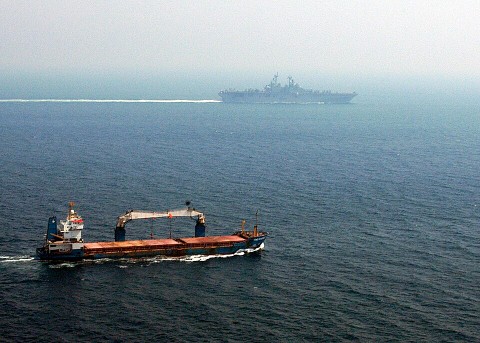
In an effort to alleviate escalating tensions between Iran and the United States, Qatar has dispatched mediators to Tehran as negotiations reach a pivotal juncture regarding the reopening and security of the Strait of Hormuz. The discussions aim to relax restrictions on this crucial maritime passage in exchange for potential relief from US sanctions and the release of Iranian assets currently frozen. These talks could pave the way for a temporary agreement that would set the stage for more comprehensive negotiations concerning Iran’s nuclear program.
Iran has been advocating for increased oversight over shipping operations through the Strait of Hormuz, suggesting measures such as transit tolls and regulated shipping routes. However, the United States firmly opposes any toll-based system in what is considered an international waterway. US Secretary of State Marco Rubio has asserted that Washington will not tolerate Iranian dominance over commercial shipping access in the strait, a sentiment echoed by President Donald Trump, who continues to exert pressure on Tehran over its enriched uranium reserves.
Tehran is seeking a wider accord that would not only include a permanent cessation of hostilities but also entail a phased withdrawal of US sanctions, compensation for war-related damages, and assurances against future military interventions. Pakistan has maintained a significant diplomatic role in facilitating these talks, while Qatar has stepped into the spotlight as a direct mediator. There are also indications that China might be considered as a guarantor for any eventual agreement, expanding the international dimension of these negotiations.
Opposition to Iran’s proposed maritime authority has been voiced by several Gulf nations, including Bahrain, Kuwait, Qatar, Saudi Arabia, and the UAE. These countries have expressed concerns that such control could enable Tehran to exert undue financial and strategic influence over global shipping routes. The strategic importance of the Strait of Hormuz cannot be overstated, as it is a key conduit for a large portion of the world’s oil and gas exports. Any disruption in this region could significantly impact international energy markets and trade flows.