
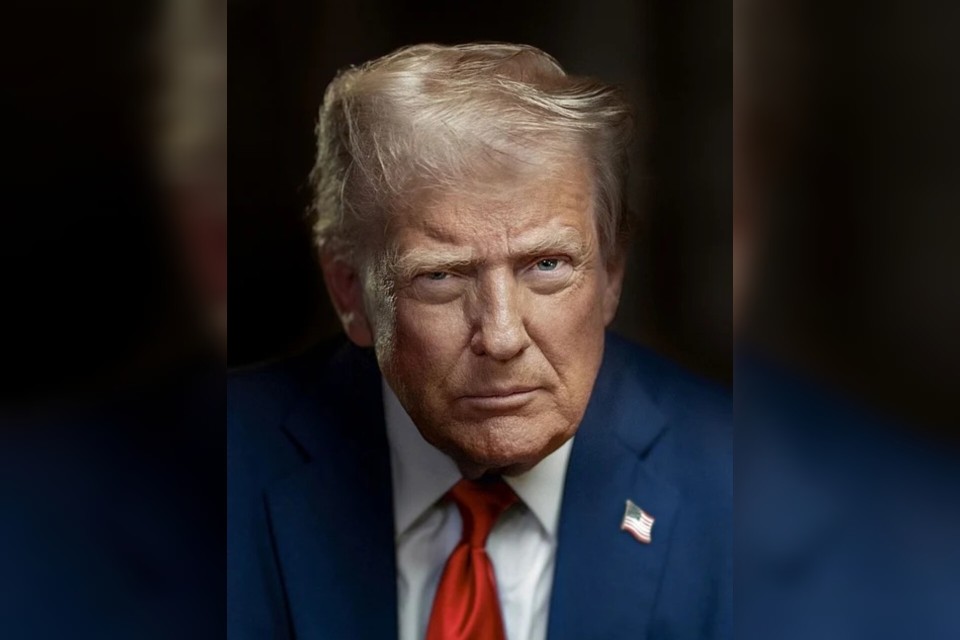
Efforts to forge a peace agreement with Iran are reportedly nearing fruition, according to US President Donald Trump. Following a series of discussions with leaders from the Middle East, Pakistan, and Israel, Trump expressed optimism about finalizing an understanding that would reopen the Strait of Hormuz and potentially conclude the hostilities that erupted earlier this year. The president noted that the agreement is “largely negotiated,” with only minor details left before making an official announcement.
The negotiations have involved a diverse group of regional leaders, including those from Saudi Arabia, Qatar, Turkey, Egypt, the UAE, Jordan, Bahrain, and Pakistan, as well as Israeli Prime Minister Benjamin Netanyahu. Despite this diplomatic endeavor, Iranian officials have contested parts of Trump’s announcement, particularly concerning control over the strategically vital Strait of Hormuz. Tehran insists that the waterway will remain under its jurisdiction, maintaining authority over shipping routes and related permits.
Pakistan has played a crucial role in mediating these talks, with Prime Minister Shehbaz Sharif expressing optimism about the diplomatic progress. He indicated Pakistan’s willingness to facilitate further discussions between the United States and Iran. General Syed Asim Munir, Pakistan’s army chief, has been instrumental in these mediation efforts, having engaged in meetings with Iranian leadership in Tehran recently.
The draft proposal under consideration reportedly includes several key components: a 60-day extension of the ceasefire, toll-free reopening of the Strait of Hormuz, reduced restrictions on Iranian oil exports, and renewed dialogue on Iran’s nuclear program. In exchange, the United States might relax constraints on Iranian ports and unfreeze Iranian assets as part of a broader agreement. Nevertheless, the atmosphere remains tense, with Trump cautioning that military action might resume if negotiations collapse. Meanwhile, some Republican critics argue that the terms echo previous nuclear agreements they have opposed.
As the potential agreement continues to generate discussion in Washington, it has sparked a debate among policymakers. Advocates view it as a crucial step toward preventing further conflict and economic disruption, while detractors worry it might enhance Iran’s influence in the region. The outcome of these negotiations could have significant implications for the geopolitical landscape and stability in the Middle East.