
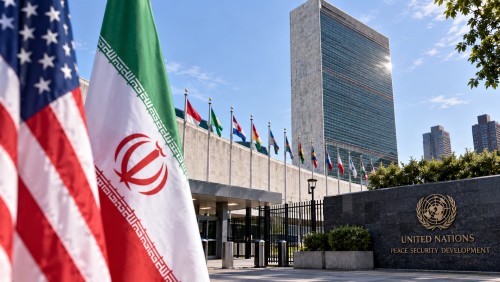
The ongoing conflict between the United States and Iran has not deterred Iranian officials from attending the upcoming United Nations General Assembly in New York. Despite strained relations, the U.S. has agreed to allow a senior Iranian delegation to participate in the global meeting next week, underscoring its obligations as the host nation of the United Nations.
In line with this commitment, Iranian President Masoud Pezeshkian and Foreign Minister Abbas Araqchi are expected to be granted visas, enabling them to join other world leaders at the assembly. However, the Iranian delegation will face strict travel limitations, including restrictions on movement and the purchase of certain goods, confining them to specific areas such as the UN headquarters and Iran’s UN mission.
This decision comes amid intermittent diplomatic efforts between Washington and Tehran to resolve tensions that escalated earlier this year. The conflict intensified on February 28 following U.S. and Israeli military strikes on Iran, which responded with retaliatory attacks targeting Israel and Gulf states hosting American military bases.
The U.S. is adhering to the 1947 UN headquarters agreement, which generally mandates granting foreign diplomats access to the United Nations. Nonetheless, Washington reserves the right to deny visas on grounds of security, terrorism, or foreign policy concerns. This policy has been selectively applied, as seen in the U.S. decision to deny entry to Palestinian officials, including President Mahmoud Abbas, for the same assembly.
While the United States navigates its complex relationships with both Iran and Palestine, the attendance of Iranian leaders at the UN General Assembly highlights the intricate balance of diplomatic obligations and geopolitical tensions on the international stage.