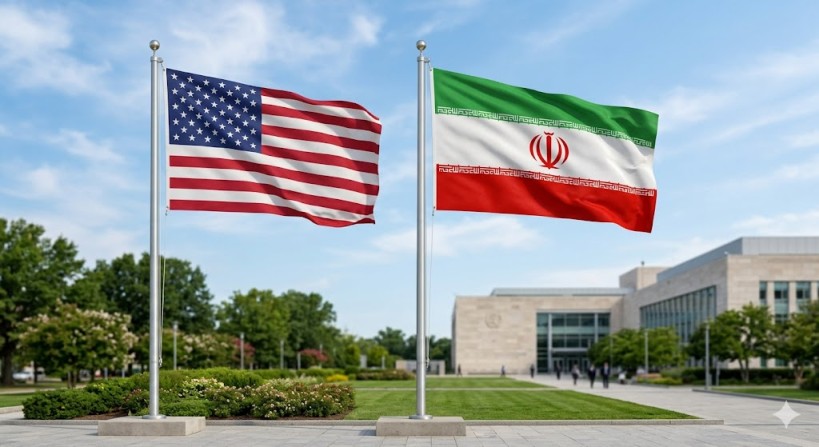
Efforts to de-escalate tensions in the Middle East remain stalled as recent negotiations between the United States and Iran have failed to yield significant progress. Despite ongoing discussions aimed at extending a ceasefire agreement, both sides are yet to bridge crucial gaps. U.S. President Donald Trump expressed optimism, noting that talks were nearing their conclusion. However, Iranian Foreign Minister Abbas Araghchi indicated that while indirect communications continue through mediators, substantial breakthroughs have not been made.
A primary sticking point in these negotiations is Iran’s insistence on a truce in Lebanon as a precondition for any broader agreement with Washington. The proposed deal seeks not only to prolong the existing ceasefire but also to ensure the reopening of the Strait of Hormuz, a strategic maritime passage. Meanwhile, the situation in Lebanon remains volatile with ongoing hostilities between Israel and Hezbollah, an Iran-aligned group. Hezbollah has dismissed a ceasefire proposal supported by the United States, leading to continued exchanges of fire in southern Lebanon.
The persistent uncertainty surrounding these negotiations and the situation in Lebanon has cast a shadow over global energy markets. Investors are keeping a close watch on developments related to the Strait of Hormuz, a vital corridor for international oil trade. Any disruptions to shipping through this route could significantly affect global energy supplies and prices, underscoring the high stakes involved in finding a diplomatic resolution.
As mediators work tirelessly to bridge the divide, regional and international stakeholders are keenly focused on preventing any further escalation of tensions. The goal is to secure a comprehensive agreement that could bring stability to the region, easing the geopolitical strains that threaten to affect not just the Middle East but the world at large.